
Energy security is rewriting the transition playbook
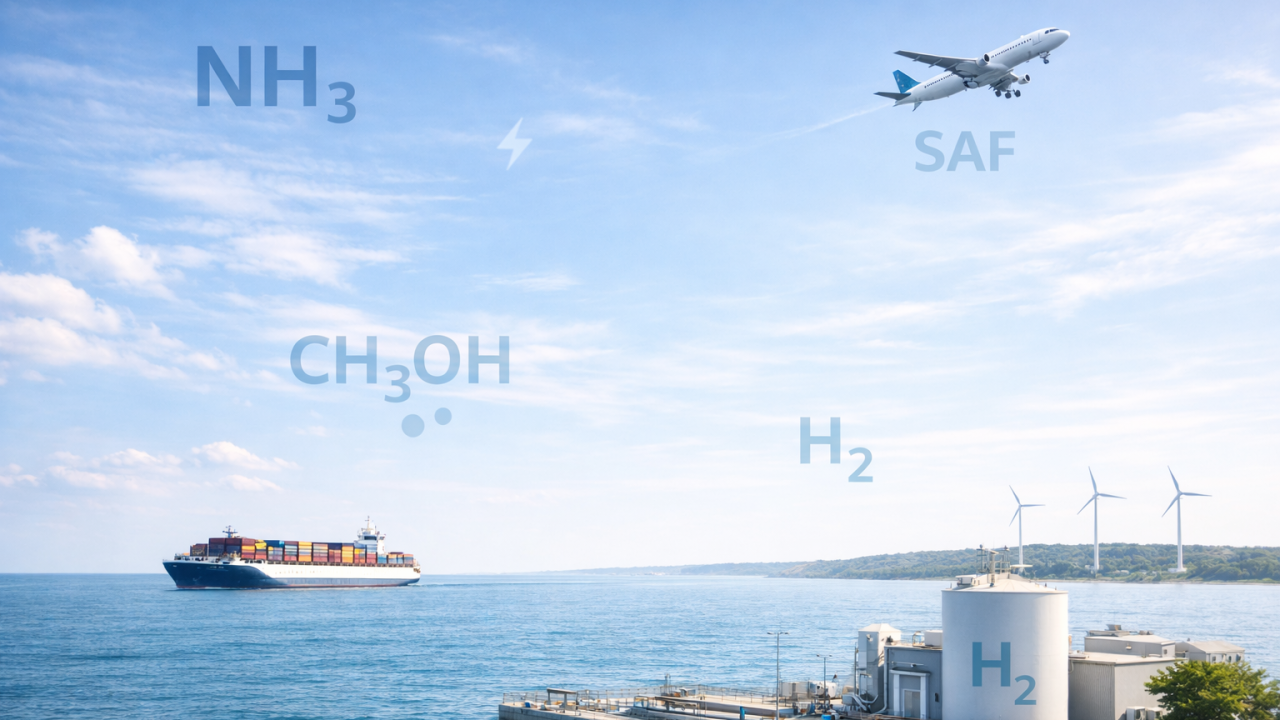
A significant share of the world’s oil flows through a single chokepoint. Global LNG markets are operating with limited spare capacity. And in recent weeks, both have come under pressure at the same time.
The result is immediate: price volatility, supply uncertainty and intensified competition between regions for available energy.
For years, the energy transition has been framed through the lens of decarbonisation. Net zero targets and emissions reduction have shaped the conversation. But current market dynamics are shifting that perspective. A more immediate priority is coming into focus: energy security. And in doing so, it is accelerating the case for green fuels in ways the industry may not have anticipated.
A system under pressure
The current situation has exposed how concentrated parts of the global energy system remain. Major economies are heavily dependent on a limited number of supply routes and regions, meaning disruption can have rapid and far-reaching impacts.
Gas markets, in particular, are showing structural constraints. Unlike oil, which benefits from strategic reserves and some spare capacity, LNG supply is tighter, with limited ability to scale production quickly in response to shocks. Storage levels in key markets can also be relatively low at certain points in the year, reducing flexibility further. When supply tightens, prices move quickly, and competition for available cargoes intensifies.
Historically, the industry has relied on strategic reserves, rerouting and market adjustments to manage disruption. But these are ultimately short-term measures. Stockpiles can provide temporary relief, but they are not designed to sustain markets through prolonged instability. For gas, the challenge is greater still, with no equivalent global stockpiling system and limited spare production capacity. As regions compete for supply, volatility can increase rather than ease.
This is changing how energy is valued. Cost is no longer the sole consideration. Risk, resilience and predictability are becoming central to decision-making. High prices are one challenge, but uncertainty is another, and when both are present, alternatives begin to look more attractive. Green fuels and renewable energy offer something increasingly valuable in this context: a degree of diversification and insulation from geopolitical shocks.
From transition to necessity
As a result, the shift to cleaner energy is no longer driven solely by climate ambition. It is being reinforced by strategic necessity. Overreliance on single suppliers, routes or fuel types is now widely recognised as a critical vulnerability. Diversification has moved from a long-term objective to an immediate priority. Green fuels are part of that shift, not just as a pathway to lower emissions, but as a means of building a more resilient and flexible energy system.
Periods of volatility tend to accelerate change. High and unpredictable fossil fuel prices can improve the relative competitiveness of alternatives, shorten investment timelines and sharpen the focus on long-term security. Even if markets stabilise in the near term, the underlying lesson remains clear: the current system is exposed. And once that becomes visible, change tends to follow.
For businesses across the energy value chain, this marks a meaningful shift. Energy security is now shaping strategy alongside sustainability. Investment decisions, partnerships and narratives are all evolving to reflect this broader set of priorities. The most compelling stories will be those that connect environmental goals with economic and strategic realities, recognising that the transition is no longer just about reducing emissions, but about ensuring reliability and control.
The energy transition is entering a new phase, one defined as much by geopolitics as by climate policy. Security and sustainability are no longer separate conversations. They are increasingly one and the same. And as that alignment strengthens, surely the case for green fuels moves from ambition to inevitability.
For businesses across the energy value chain, this marks a meaningful shift. Energy security is now shaping strategy alongside sustainability. Investment decisions, partnerships and narratives are all evolving to reflect this broader set of priorities.
This has implications not just for strategy, but for communication. As the rationale for the energy transition evolves, so too must the way it is articulated. The most effective communications will be those that connect environmental ambition with economic and strategic reality, translating complexity into clear, credible narratives.
Click here to find out more about BCM Global Energy PR Company