
Thoughts ahead of India Energy Week
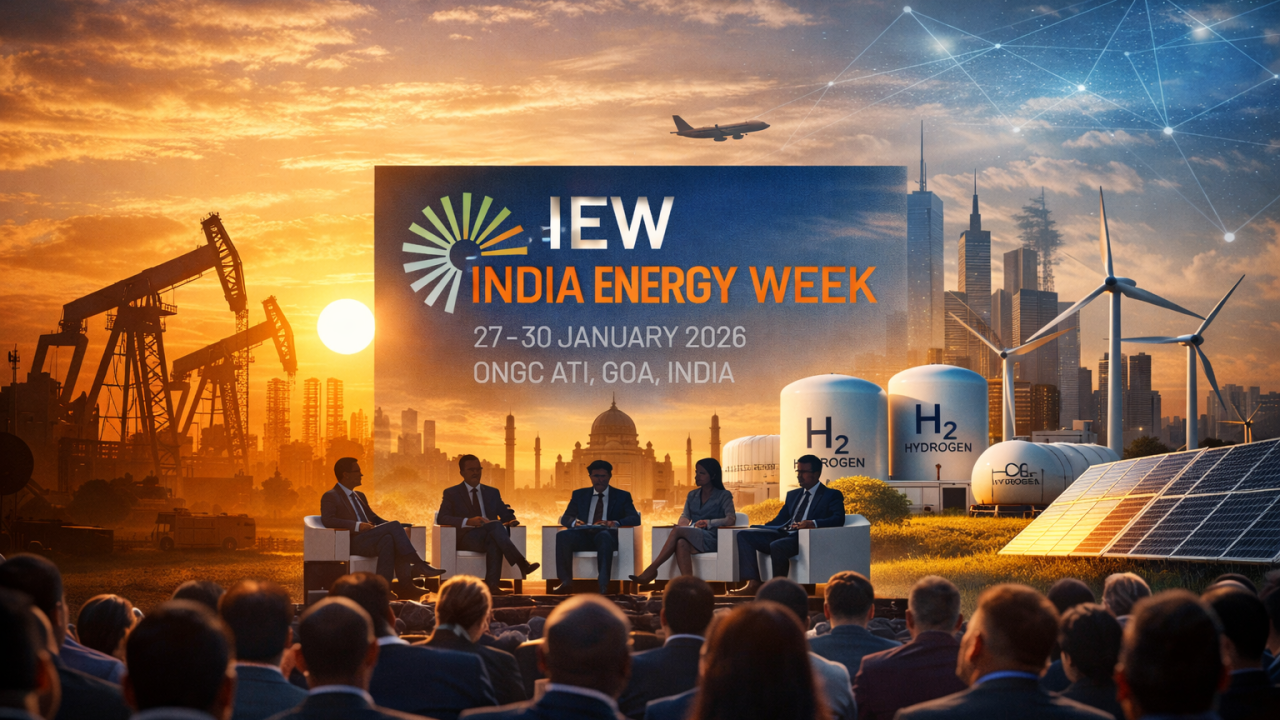
As India Energy Week (IEW) approaches, its significance extends well beyond the exhibition floor or conference programme. What was once seen primarily as a regional energy event has become a genuinely global moment, reflecting how the energy transition is evolving in practice rather than theory.
India sits at a critical intersection of growth, energy security and decarbonisation. Its choices matter not only domestically, but internationally. As one of the world’s fastest-growing energy consumers, India cannot simply replicate the transition pathways of mature economies. Instead, it is shaping an approach that balances affordability, reliability and sustainability at scale. IEW offers a rare opportunity for global stakeholders to engage with that reality directly.
More broadly, the event comes at a time when the energy transition is facing tougher questions. Momentum remains strong, but the narrative has become more complex. The conversation has moved beyond targets and ambition towards delivery, trade-offs and system-level change. That shift is both necessary and overdue.
New energies continue to make progress, but unevenly. Renewable power deployment is accelerating in many markets, yet large parts of the global economy still depend on fuels and molecules. Heavy industry, transport, aviation and shipping remain difficult to decarbonise, and solutions are still emerging. This gap between aspiration and implementation is increasingly central to industry discussions.
A recurring theme is pace. From a climate perspective, the transition does not feel fast enough. From an infrastructure and investment perspective, it is clear why progress can appear slow. Energy systems are deeply embedded, capital intensive and governed by long-term planning cycles. The challenge is not simply to move faster, but to move smarter, ensuring that today’s investments remain relevant tomorrow.
Events like IEW create space for more honest conversations about what is working, what is not, and where assumptions need to be tested. They bring together policymakers, national energy companies, technology providers and investors who do not often sit around the same table. That diversity of perspective is essential if the transition is to be both credible and inclusive.
Geopolitics and energy security are also reshaping the debate. Recent years have shown how vulnerable energy systems can be to disruption. As a result, resilience and reliability are now discussed alongside decarbonisation, not as competing priorities but as interconnected goals. India’s approach reflects this balance, and the discussions at IEW increasingly mirror the trade-offs facing many other regions.
Looking ahead to 2026, there is a growing sense that the next phase of the transition will be defined less by announcements and more by execution. Industry focus is shifting towards scalable projects, bankable technologies and partnerships that can endure. That means clearer demand signals, better policy alignment and more realistic timelines. It also means recognising that no single solution will dominate everywhere.
For companies operating in this space, visibility and credibility have never been more important. As scrutiny increases, so does the need to communicate progress clearly, responsibly and in context. Stakeholders want substance, not slogans. They want to understand how strategies connect to real-world constraints and opportunities.
At BCM Public Relations, we are supporting clients at IEW who are actively contributing to these conversations. From established energy players to emerging technology providers, many are using the event to engage with policymakers, partners and investors on how the transition can move from ambition to delivery. Our role is to help ensure those voices are heard clearly and credibly, within a debate that is becoming more complex and more consequential.
As the global energy community looks towards 2026, the question is no longer whether the transition will happen, but how effectively it will be managed. IEW offers a timely reminder that progress depends not just on technology, but on collaboration, communication and confidence in execution.