
Will Europe’s AI Act Create Two Manufacturing Standards?
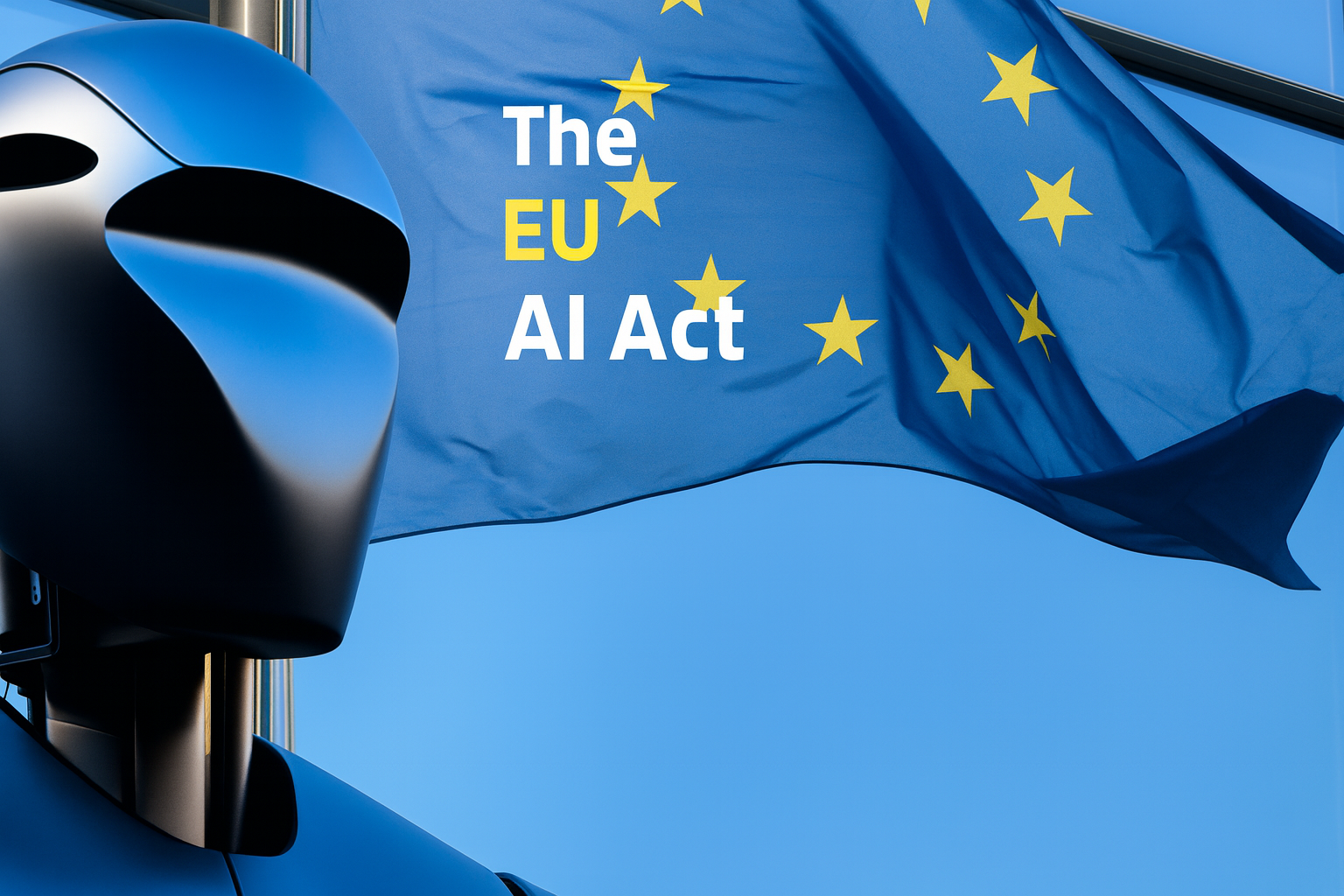
Is there anything more confusing than discovering that the rules you follow in one market may not apply in another? Manufacturers in Europe are now facing exactly this challenge. The European Union’s new Artificial Intelligence Act is set to reshape how industrial AI systems are designed, tested and deployed. While the legislation aims to raise safety and transparency, it may also set Europe on a different regulatory path from the United States and parts of Asia. That divergence matters, because it affects how manufacturers communicate trust, compliance and innovation across global markets.
The AI Act classifies AI systems by risk level and places the most stringent requirements on those considered “high risk”, which includes many industrial tools used in predictive maintenance, safety monitoring and process control. These systems must now meet detailed obligations around data quality, human oversight, robustness and documentation. According to the Financial Times, the EU may risk becoming an “also-ran” in global AI development if its rules remain overly restrictive, with concerns that heavy compliance burdens could weaken the competitiveness of European companies and start-ups. Their concern is simple: once standards split, maintaining a unified product strategy becomes more difficult.
Many manufacturers operate across dozens of markets, supplying machinery, components and digital tools that must perform consistently everywhere. When regulations fragment, these companies can end up shouldering the burden of maintaining two separate AI compliance pathways. A system that is fully lawful under the AI Act might require adjustments for markets that take a lighter approach. Conversely, systems developed outside Europe may require significant re-engineering before they can be sold within the EU. This divide can influence long-term planning, investment decisions and technology roadmaps.
What can bring it all together?
Communication is essential when companies must reassure customers, regulators and partners that their systems meet the correct standards for each region. Clear messaging about compliance can strengthen trust, particularly when industrial customers rely on AI tools to improve safety, reduce downtime and make informed decisions. The more transparent a company is about how its AI systems meet European rules, the more credible it becomes within a market that is increasingly wary of opaque technology.
By articulating how their technologies have been adapted to meet stricter rules, organisations reinforce trust in their development processes. This transparency is especially important in markets outside Europe, where customers may perceive EU compliance as a source of delay or added complexity. A structured communication strategy can show that regulatory alignment is not a hurdle but an assurance of quality.
The global manufacturing sector has always balanced competing standards. The difference with AI is the speed at which the technology evolves. Regulatory divergence could widen unless regions work to align interpretations, terminology and testing benchmarks. Until then, manufacturers will need to bridge both worlds through careful product development and clear communication.The future may bring greater harmonisation, but for now, the AI Act marks a turning point. Success will depend not only on technical adaptation but also on how well companies communicate their responsibilities and achievements. A thoughtful PR approach can help manufacturers manage the gap between regions, avoiding confusion, and reinforcing trust at a time when clarity matters most.
Please click here to find out more about BCM Global Manufacturing PR Agency